Guide · Seattle, 2026
What custom cabinets cost, and when they are worth it.
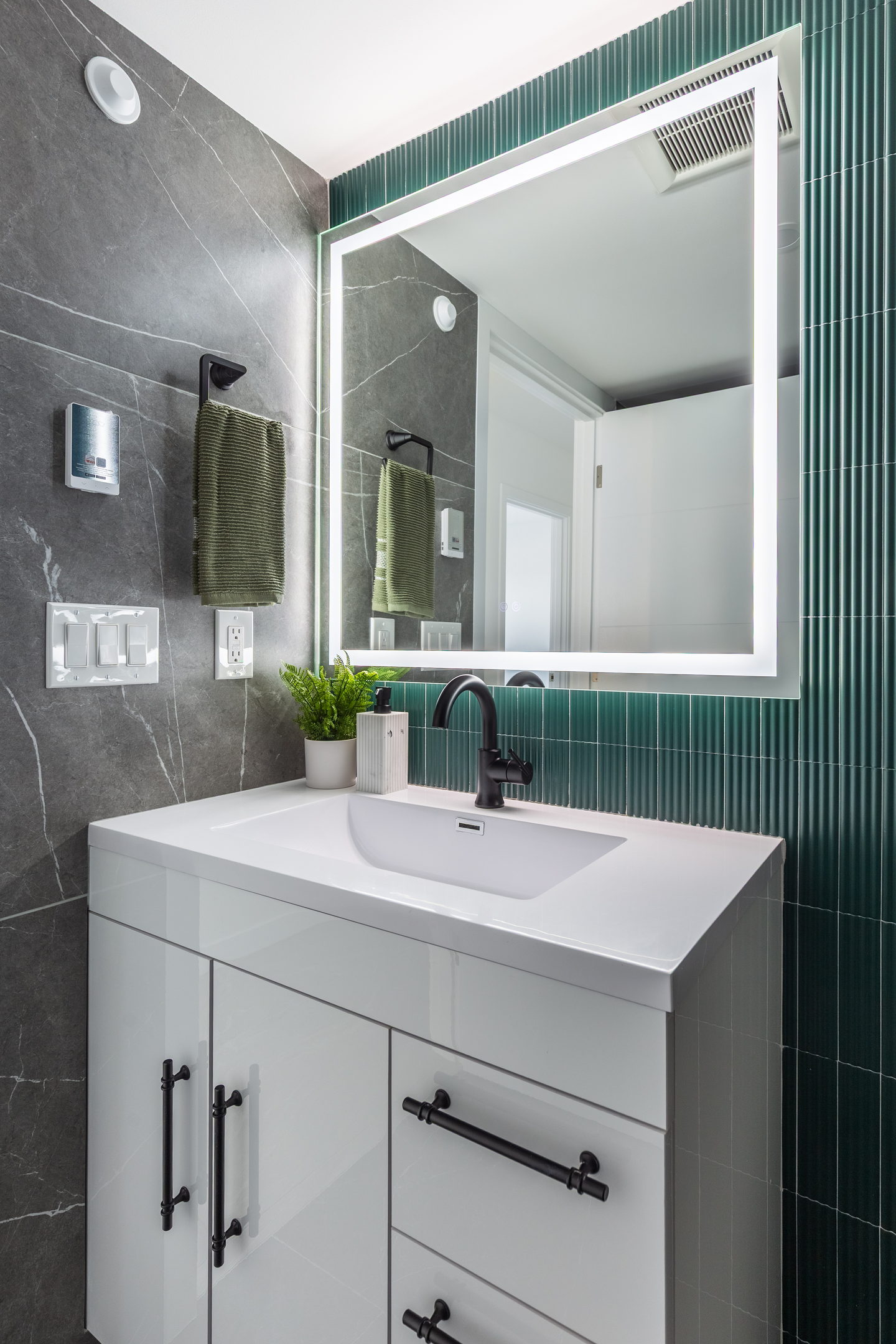
Cabinetry is usually the largest single line in a kitchen, which makes it the line most worth understanding and the one most often compared wrongly.
Three quotes can say "cabinets" and mean three different objects. The word covers a flat-pack box with a printed door and a hand-milled run made to the inch of your wall, and the gap between them is most of the gap between two kitchen quotes.
The three tiers, per linear foot installed
-
01
$150 to $350 — stock
Fixed sizes off a shelf, filler strips taking up whatever is left over. Usually particleboard carcasses and a laminate or foil door. Fine in a rental, honest about what it is, and it will look tired sooner than the room does.
-
02
$400 to $700 — semi-custom
A catalog with options: some sizes, some finishes, some interior fittings. Better carcasses, real doors, longer lead times. This is where most good kitchens in Seattle sit and it is a genuinely sensible place to be.
-
03
$800 to $1,500 and up — full custom
Drawn for your wall and milled to it. Any size, any finish, any interior, and no filler strips. Priced per project rather than per catalog line, which is why the range is wide.
Cabinetmaking, close up
Custom is not automatically better. It is better in specific situations, and those situations are easy to name.
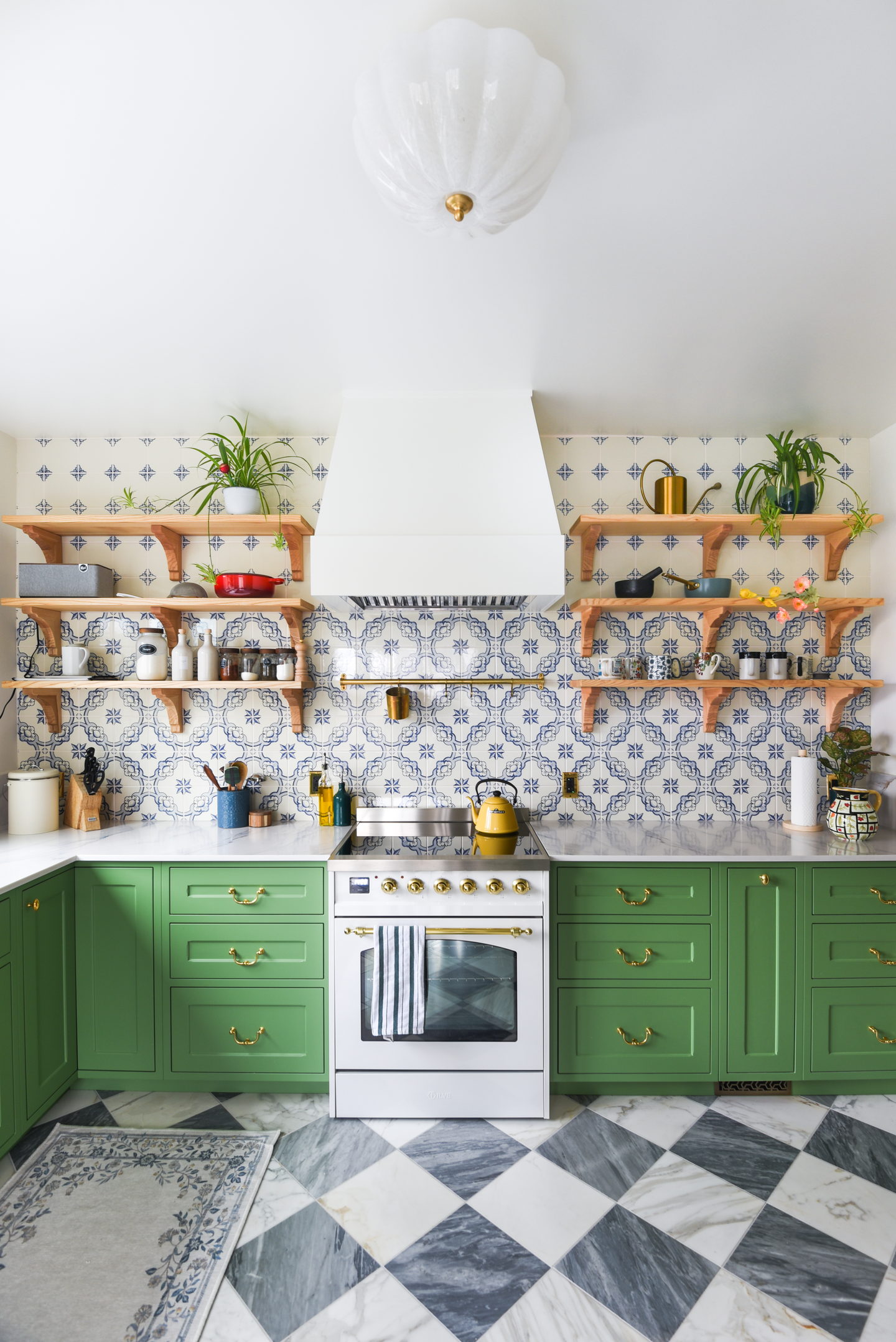
When custom actually pays
-
01
Old houses, where nothing is square
A hundred years of settling means the wall is not the length the drawing says. Stock cabinetry solves that with a filler strip. Milling solves it by being the right size.
-
02
Small rooms, where inches are money
Three inches of filler in a galley is a drawer you paid for and did not get. In a small kitchen custom often returns more usable storage than the price difference costs.
-
03
When it has to match something
Original trim, a period profile, an unusual color, or paneling that has to run past a doorway. Catalogues stop where your house gets interesting.
-
04
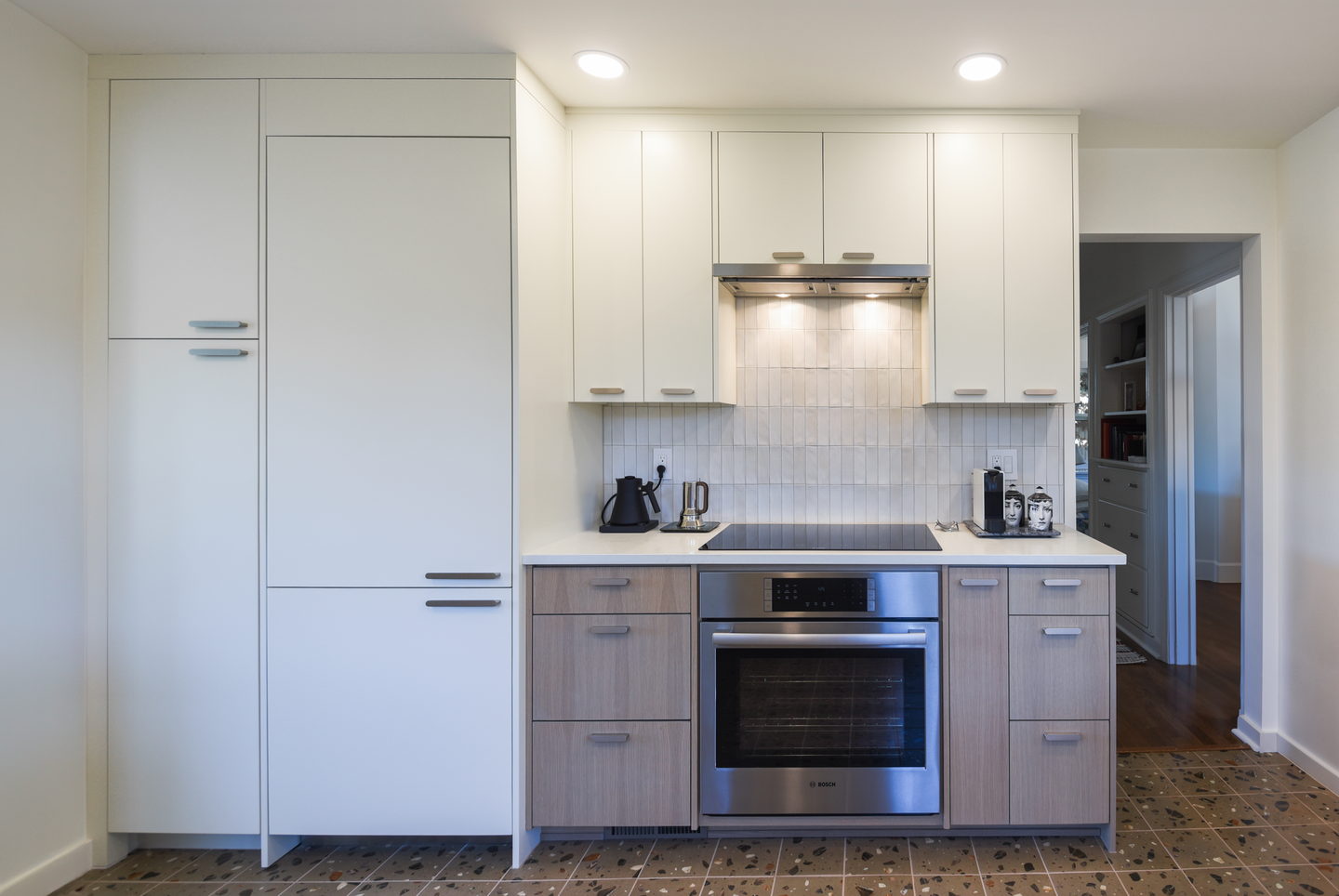
Tall runs and integrated appliances
Full-height cabinetmaking that reads as one plane is the single most expensive effect to fake and the easiest to get right when the boxes are made for the opening.
What you should be comparing, rather than the price per foot.
Carcass material and thickness, drawer runners and hinges by name, whether the interior is finished, how the doors are hung and adjusted, the finishing process, and the warranty. Two quotes fifty percent apart usually differ in every one of those, and none of them are visible on the day the kitchen is photographed.
Questions worth asking any cabinetmaker, us included
Who actually makes them?
Many firms that sell custom cabinetry order it in. That is not wrong, but it means the drawing and the object are two decisions rather than one, and adjustments on site are a phone call to somebody else. Ours are milled on Dexter.
What is the carcass made of?
Plywood, MDF or particleboard, and how thick. It is the part you never see and the part that decides whether the doors still line up in ten years.
Which runners and hinges, by name?
They are the moving parts and the things you touch fifty times a day. A quote that does not name them is not specifying them.
Is the finish sprayed in a shop or on site?
Shop finishing under controlled conditions is a different product from a site finish, and it is a large part of why custom costs more.
Are the appliances chosen yet?
They set the openings, so they come before the cabinetry is drawn, not after. This is the most common cause of a late and expensive change.
When is the stone templated?
After the boxes are installed, always. Anyone pricing stone from a drawing is estimating, and drawings move.
Come and open a drawer before you decide.
The studio at 920 Dexter Ave N has the actual doors, the actual finishes and the actual hardware, full size. Five minutes with a real drawer front settles this question better than any number on this page.